Lynne Kaufman: Serendipity

November 26th, 2008 by me

Lynne Kaufman is the author of three novels, a dozen award winning plays, and numerous short stories. She teaches writing at OLLISF and OLLIBerkeley, leads theatre tours for Cal Discoveries and is a trustee of the California Institute of Integral Studies. I know those of you looking for an agent with be heartened by the story of how she found representation for her first novel, Slow Hands. - Meg

My first novel Slow Hands was published by Mira Books, a Canadian imprint, in 2003. As part of the deal, my then agent, Peter Miller of PMA,secured a package for two more novels. Subsequently Wild Women’s Weekend was published in 2004 and Taking Flight in 2005 by Mira Books. How I came to find Peter Miller is the serendipity I’m referring to, but, first, the back story.

I have always been an avid reader and started writing in high school and continued throughout college. While my kids were little, I published short stories for years in such magazines as Redbook, Cosmopolitan, Good Housekeeping, and Ladies Home Journal until those magazines stopped publishing short stories. I then turned my hand to writing plays and had about a dozen full-length plays produced all across the country, many of them award winning. But then the play market dried up or, to put it more accurately, I was having a tough time getting mine produced. So I turned to novel writing.

When I finished the final draft of Slow Hands, I began the search for an agent. My former short story agent at Curtis Brown hated the book. My current theatrical agent didn’t handle novels but she suggested several colleagues. I dutifully sent the manuscript to those colleagues, but they weren’t, as the euphemism goes, “enthusiastic enough to represent it.”

In fact, I was visiting New York City when I called the last recommended agent and she was blistering in her rejection of the novel. I hope she was just having a bad day. No one should be that mean and live. So rather than jump out of my hotel window, I instead picked up the Manhattan phone book and turned to literary agents. The first one that caught my eye was PMA. It looked very familiar. I dialed, got Peter Miller, the eponymous head, and he agreed to read the novel.

I sent it to him immediately. Within a week, I had a contract.

It wasn’t until months later that I realized that my recognition of PMA was mistaken. I knew a travel agency called PMA. Hence the déjà vu.

So the moral of the story, if there is one, is you never know when pure dumb luck will strike. Oh, Peter Miller isn’t my agent any more but that’s another story. - Lynne

Posted in Author Stories having no comments »

If You Think Continuing to Rewrite is Wasted Time…

November 20th, 2008 by me

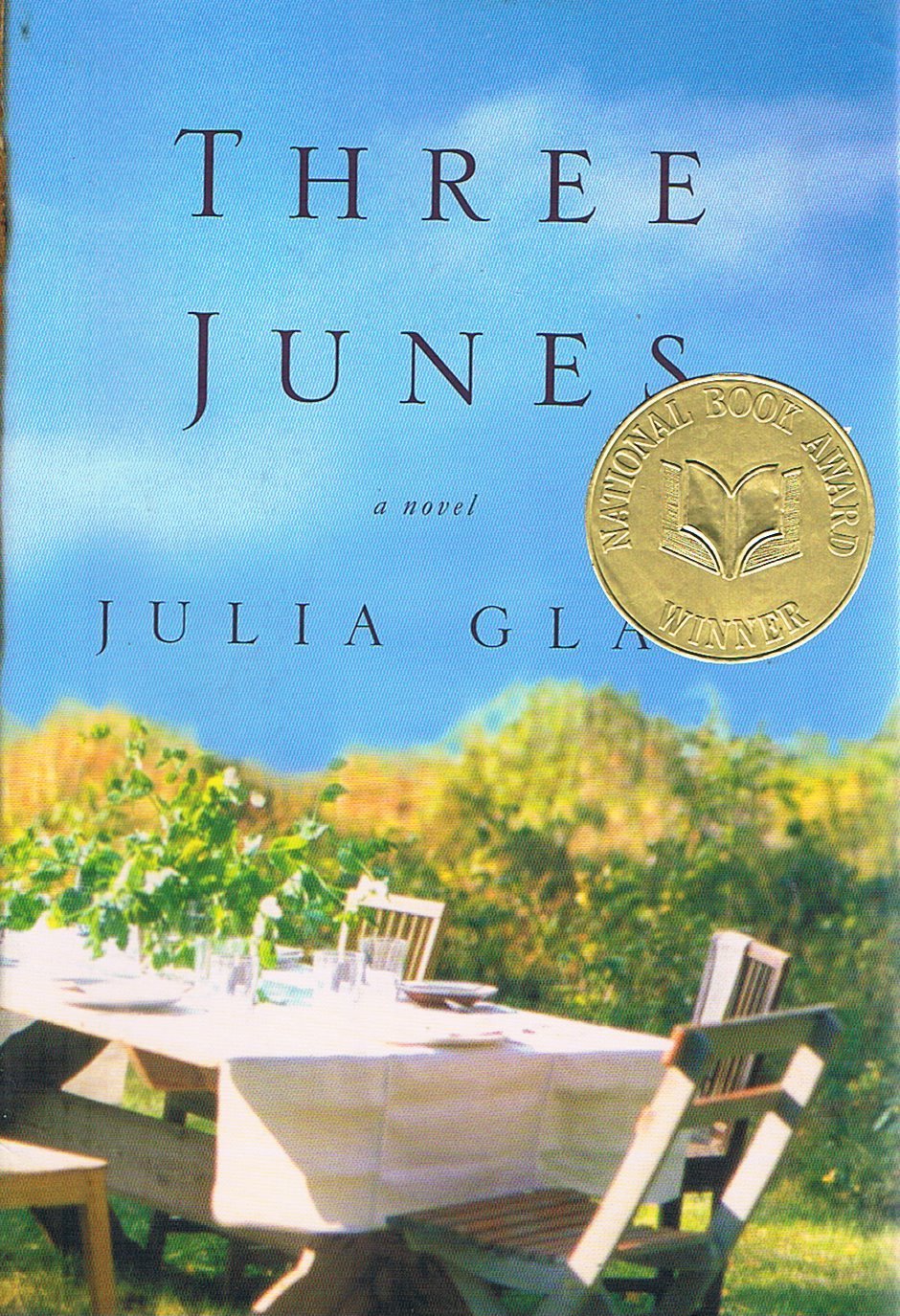
…take a look at the winner of this year’s National Book Award for fiction: Shadow Mountain. It’s a reworking of three novels previously published by Peter Matthiessen, who said in his acceptance speech last night, “I’ve had a hard time over the years persuading people that fiction was my natural thing.”

The Non-Fiction award went to Annette Gordon-Reed’s The Hemingses of Monticello - which rumor has it she won on her birthday. The Young People’s Literature award winner was Judy Blundell’s What I Saw and How i Lied. Poetry: Mark Doty’s Fire to Fire: New and Selected Poems. And you can read more about it all on The National Book Award Site - including readings by the finalists - or in The New York Times. - Meg

Posted in Uncategorized having no comments »

Breakthrough Novel Award

November 13th, 2008 by me

For anyone out there who has a complete novel - and has yet to publish one - Amazon and Penguin just announced their second annual Breakthrough Novel Award. Details at this Amazon page. Don’t have the final revisions to that novel done yet? Work faster! The submissions period is February 2-8, and they will take the first 10,000 submissions. The winner - chosen by an panel lead by Sue Grafton and Sue Monk Kidd - will be announced on May 22. And the big prize is a publishing contract with Penguin and a $25,000 advance.

I’m not usually a big fan of contests because you usually have to pay an entry fee, but there is no fee for this contest, and the prize - a published novel! - is pretty nice. Writers, start your engines… and good luck! - Meg

Posted in Meg's Posts having no comments »

Frances Dinkelspiel: Not So Instant Gratification

November 12th, 2008 by me

Frances Dinkelspiel is a fifth-generation Californian who spent more than 20 years in the newspaper business, writing for publications including the New York Times, People Magazine, and the San Francisco Chronicle before publishing her first book. Towers of Gold: How One Jewish Immigrant Named Isaias Hellman Created California - which was eight years in the making and is just out - has been praised by San Francisco Magazine for its “elegantly restrained prose.” Do enjoy Frances’ wonderful description of how she got there, and then go right out and pick up a copy of this wonderful book. This one would make a great holiday gift, too! - Meg

I had been a newspaper reporter for more than 15 years before I even wanted to write a book. For me, the thrill was in the chase. I loved getting up everyday, going to work, figuring out the story I wanted to write, and tracking down the details. I prided myself on always making that last phone call, on chasing reluctant subjects, on combing through dusty documents to uncover the real truth behind a shady business deal or back-room government contract. And after all that work – Voila! – Just a day later my name would grace the top of an article. It was instant gratification.

But then the excitement began to fade. I was living in Berkeley, CA and working out of a one-person office in Oakland that the newspaper was always threatening to close. Jerry Brown, the former governor of California, had decided to run for mayor of Oakland, so for weeks and weeks all I wrote about was Jerry Brown. It grew tiresome. Suddenly I developed a desire to spend more than one day or a few days on an article. I wanted to know a subject in depth. I wanted to stretch my writing skills. In short, I wanted to write a book.

And I had no idea how to go about it.

I took a leave of absence from the San Jose Mercury News and decided to focus on writing personal essays. Since I had lived a fairly normal life until then, I thought I would enrich my essays by including details about my family, which had been living in California since the 1850s. I knew there were some old family papers at the California Historical Society in San Francisco, and I went there to look at them. When I asked the archivist for the papers of Isaias Hellman (my great-great grandfather) she said, “Which box?” It turned out there were more than 40 boxes with 50,000 pages of archival documents on Hellman.

I started to look through the documents and quickly abandoned any notion of writing more essays about myself. This Hellman guy was much more interesting! He had come to California in 1859 and settled in Los Angeles when it was more Mexican pueblo than American city and started or served as president of so many banks, including Wells Fargo, that he was dubbed the richest Jew in the West.

He helped start the University of Southern California, funded transportation, water, and electricity projects up and down the state and controlled California’s wine industry for almost 20 years. He was a Zelig-like character. If you looked closely at many of the major industries in California, you would find Isaias Hellman.

I quickly realized I had stumbled upon a wonderful untold story about the rise of Hellman and the critical role he played in the development of the West. And there is nothing that reporters like more than untold stories.

There was no straight line from the revelation I had that day at the historical society to the publication
of Towers of Gold: How One Jewish Immigrant Named Isaias Hellman Created California. In fact, there were a series of delays, setbacks, and frustrations as well as triumphs. The entire process took 8 years.

For about three years I was in something many non-fiction writers know as research rapture. That’s the state of mind where no arcane newspaper article, no old book, no decaying manuscript, is too obscure to spend days tracking down. Since I didn’t know anything about Hellman’s life before I started working on the project, I had to learn everything I could. I read dozens of books about the settlement of the West. I spent weeks in the basement of the UC Berkeley library reading old newspaper and going through the letters and documents at the historical society. I visited libraries around the country to track down material, including the Bancroft Library, the Huntington Library, the Western Jewish History Center of the Judah L Magnes Museum, as well as the New York Public Library. I even went to his birthplace in Reckendorf, a small town in the German state of Bavaria.

All this research was great, but obscured the fact that I was avoiding writing. Part of me was still unsure whether I had a legitimate book or a vanity project. One day my cousin called me up and suggested we both apply to the non-fiction writing program at the Squaw Valley Community of Writers.

I had never even considered the idea, but I realized it would jump-start my writing process. I set out to write 20 pages, but soon found myself mired in my old newspaper writing habits. I was stuck in an inverted pyramid mode where I frontloaded all the most critical information at the top of an article.
I had no idea how to write scenes or build narrative tension or create characters. I had to study books and rely on the feedback from the women in my writing group, North 24th, to muddle through. And one of the tensions in writing historical narrative is that you can’t make up information. You have to examine primary documents and draw details from them to create vivid portraits of people and places.

When I went to write a scene where someone shoots at Hellman in San Francisco in 1895, for example, I studied pictures of the streets around his home, read old newspaper and studied telegrams and letters written about the incident. Then I wove those pieces together for my prologue.

I went to Squaw in the summer of 2003 and things happened quickly after that. The head of the non-fiction section, a New York agent named Michael Carlisle, really liked my work and encouraged me to keep in touch. He also suggested that I write a complete first draft of the book before getting back to him because he thought I still had a lot to figure out. So for a year I wrote furiously. I went to see him in New York in 2004. He was in the process of moving agencies and it took him six excruciating months to take me on as a client.

He starting sending the manuscript out in early January 2005 and the rejections were nerve-wracking. I felt like I was living in perpetual limbo. Most of the editors who turned down the book were complimentary in their rejections, so I had hope. Finally, St. Martins Press bought the book in March 2005. I had fantasies of turning in the completed manuscript in March 2006. But I had lots more work to do and I did not finish a decent draft until January 2007. By that time my acquiring editor had left St. Martins (I was orphaned! Every writer’s nightmare). My new editor was so busy that he kept the manuscript on his desk for almost nine months. Then it took more than a year for the book to be published.

The journey from idea to book has been long, but I have learned a lot on the way. The most important trait to have as a write, I believe, is perseverance. - Frances

Posted in Author Stories having 1 comment »

About 1st BOOKS: STORIES OF HOW WRITERS GET STARTED

If you think writers are born rather than made and brilliant writing is recognized immediately, those rejection slips for your novel—or story or nonfiction query, or (heaven help you) letter to your own mother—can seem a daunting thing. The truth is getting started as a writer takes hard work, persistence, and a bit of luck.